Insta: cccskindoc

Saturday, 28 October 2017

Skin Care Routine for Dull and Uneven Skin Tone

My skin is dull and I have uneven skin tone. What can I do about it?

Pigment problem is so common, which is why foundation, concealer, BB cream and CC cream are essential items in most ladies' makeup bag.

Try out this simple yet effective skin care routine to help brighten up your skin and smooth-en your skin tone.

Morning:
1. Gentle cleanser
2. Antioxidant + sunscreen

Re-apply sunscreen 2 hourly throughout the day. (Yes, I know it isn't easy, but good skin doesn't come the easy way for most people after 30 years old.)

Night:
1. Makeup remover / gentle cleanser
2. Retinoids or retinol
3. Moisturiser

A few reminders:
  1. Prescribed topical retinoids (common acne medication) is more effective but may cause irritation (dry, red and even skin peeling for some). Start with a pea size and observe your skin reaction for a week or even two before increasing the amount.
  2. If you have sensitive skin and are trying out new skin care products, start one by one, a week or two apart, just in case you develop any skin reaction, it's easier to identify the culprit.
  3. If "water" is your usual "morning cleanser" and you have no skin problem, go ahead, it makes your routine even simpler. Personally I do not use cleanser except makeup remover and I strongly feel cleanser isn't for everyone, especially if your skin is not too oily. But please do remove your makeup completely.

Thursday, 19 October 2017

How to keep your skin hydrated?


Malaysia is a humid country, yet we keep on seeing people, with underlying skin problem or without, coming with dry and even cracked skin.

Here's a few tips on how to keep your skin hydrated.
  1. Drink water, whenever you feel thirsty. Sounds dumb but how many of us forget to listen to our body cues when er are too engrossed in our work? We lose water in our sweats, urine, bowel movements and even while we breathe. A standard recommendation is to drink 6-8 glasses a day but really there is no "standard" for everyone because we are all different. Exactly how much water one needs depends on many factors from how much you exercise to your metabolic rate to how dry the environment is. Drinking too much water to the extent of water toxicity can lead to confusion and even coma and death. (But who on the earth in their right minds would drink so much water!?)
  2. Talk short cold or lukewarm water shower rather than long hot baths (if you have eczema, keep the shower shorter than 5 minutes).
  3. Use gentle cleanser instead of soap bar or antiseptic shower gel.
  4. Apply generous amount of moisturiser immediately after baths (well not exactly immediate, within 3 minutes or when your skin is still damp).
  5. Use paper mask. Paper mask is a great and yet economical invention of facial skin care. If not properly use, it may over hydrate the skin around the eyes making you look puffy though.
  6. Use fabric gloves and socks after putting on moisturiser if you have dry hands or feet. This is a form of occlusion which will help your skin absorbs the moisturiser better, keep the moisture longer besides keeping your bed sheet and blanket clean.
  7. Avoid direct sunlight, smoking, sauna.

Facial Mist Spray

"I hate applying cream and I'd rather use facial mist spray to hydrate my skin."


Using facial mist spray to hydrate the skin? You must be kidding me.

Water doesn't stay long on the skin, whatever being added in, hyaluronic acid or essential oil. It stays at best 3 minutes? Or 5 minutes? Depending on the additives and also the moisture in the surrounding air. Whatever it is, it is way too short to give adequate hydration. And nobody is going to carry a spray and spray every 30 minutes throughout the day! I don't.

If you mist your skin with water or a water-based product, IT WILL MAKE THE WATER IN YOUR SKIN EVAPORATE OUT! Yes, and this means it will leave your skin even more dehydrated and dryer than before.

How should facial mist spray or water spray be used?

You should apply a moisturiser when your skin is still damp, preferably an occlusive moisturiser that will prevent the water from evaporating to the environment.  Occlusive moisturiser are usually on the heavier side as they are often more oily. Examples of occlusives include petrolatum, triglycerides, beewax, lecithin, sequalene and various oils. Yes, some of these can be greasy and may not be good for acne prone skin.

Other ways that facial mist spray can be used include
  • Set the make-up
  • Refreshing stress relief especially after a long tired day
  • As a "toner" to clean and soothe irritated skin

Wednesday, 18 October 2017

What is Epidermolysis Bullosa?

The Star has recently published an interview of a mother with her butterfly child. And Dr. Sabeera talking about what is Epidermolysis Bullosa, a group of rare genetic skin disease which is likely underdiagnosed in this part of the world as the awareness of its presence isn't high, not only among layperson but also among healthcare providers.

DEBRA Malaysia has "hunt down" about 100 families in Malaysia suffering from this condition since its establishment in 2013. I thought this video from DEBRA UK is a very nice illustration of what EB is all about, click play if you are interested to know. :)


Tuesday, 17 October 2017

Vitamin C for fairer skin?


Lemon lemon on the tree, who's the fairest of them all? Fair skin has long been considered beautiful by many. Can vitamin C lightens the skin?

Vitamin C inhibits tyrosinase enzymes to reduce conversion of tyrosine into melanin which is responsible for skin pigmentation. Vitamin C also boosts the level of glutathione and vitamin E in the blood besides being an antioxidant itself.


However it is difficult to obtain very high dose vitamin C from food alone. And even if you supplements, our body cannot retain the extra vitamin C level beyond a certain point and you will start urinating it out. The amount of vitamin C that can ever reach the skin is likely quite minimal.
 

The solution? Use topical vitamin C! And when you use topical vitamin C, choosing the right concentration (around 15-20%), the right stable form and the right packaging (easily oxidised away) matter!

Thursday, 5 October 2017

Dark Eye Circles


Why are dark eye "circles" rather than semicircles? 

Probably because it can affect the upper eyelids in some people, not only the under eyes area.
 

Medical terms used for dark eye circles include periorbital melanosis, periorbital pigmentation, periocular hyperpigmentation, periorbital darkening etc.
Eye drops for glaucoma may cause temporary dark eye circles too. This is usually reversible once the medications are no longer needed.


Can you help me with my dark eye circles? 

As with any other medical concern, we have to first see the cause before discussing on treatment. And in many instances, it is more than just what some eye cream can solve.

There are many types and many ways of classifying dark eye circles. But generally dark eye circles can be cause be actual pigmentation (usually brown in colour), prominent vessels (usually bluish or purplish) and structural (skin colored), and frequently a combination of a few factors.

Aging and skin thinning, excessive sun exposure, fatigue and eye strain are among the most common cause of dark eye circles.

While patients are usually more concerned over the tired look, doctors should always look out for
💉Systemic causes (presence of other more severe medical illness)
💉Atopic diseases (often related with frequent rubbing)
💉Chronic sinusitis
💉Skin diseases
💉Nutritional deficiencies
💉Sleep disturbances
💉Use of hormonal supplements / products


Certain medications such as glaucoma eye drops may cause dark eye circles too.

Treatment usually involve not a single visit. All contributing factors should be identified and if possible get treated. 

Cosmetic manufacturers often overly optimistic with their promises in dark eye circle treatment. Treatment with over-the-counter eye creams are unfortunately rarely successful. Apart from medical grade topical creams (often include a sunscreen and a bleaching agent, or chemical peels), botulinum toxins, fillers, lasers and even surgeries may be required. 

Thursday, 28 September 2017

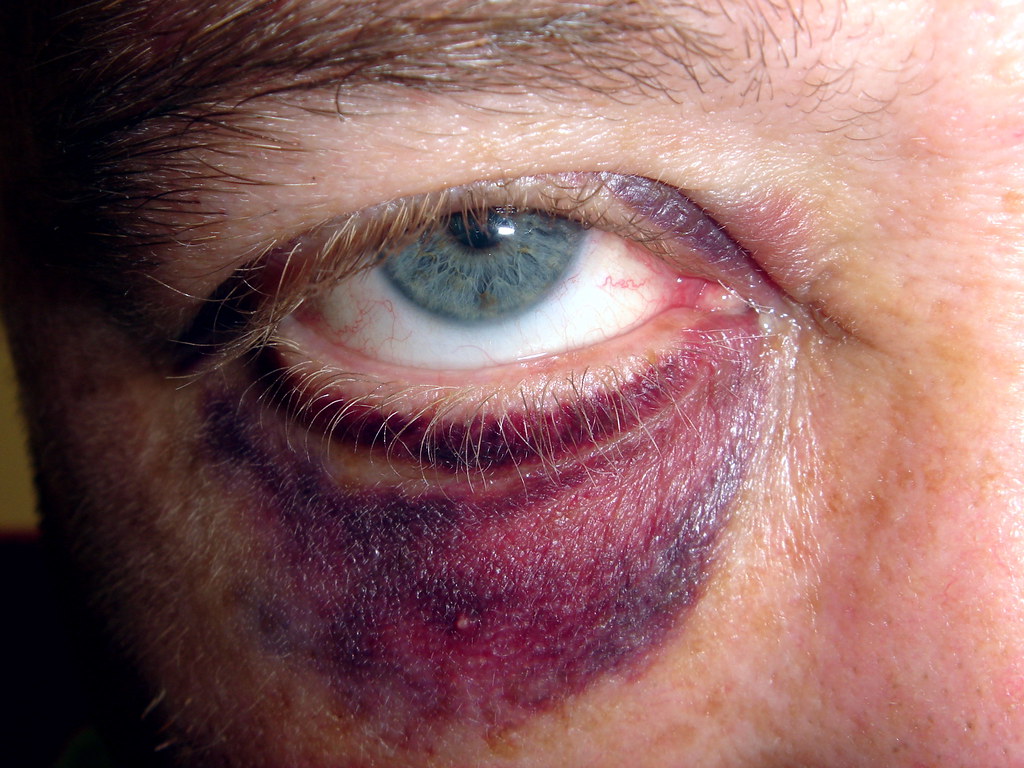
Reducing that bruise

I want to go for filler injections. My doctor told me one of the potential side effects is that I could have bruises under my eyes. I know this should be temporary but I'm very worried as I usually bruise quite badly and easily with minor fall. Is there any way to reduce the chance of me bruising?

From a simple needle prick to procedures like filler, or even major surgery, every procedure that manipulate your skin potentially causes bleeding and bruising.

Here's how you can do to reduce the chance or the severity of bleeding and bruises.
✅ Avoid aspirin, NSAIDS (a type of painkillers), vitamin C & E, fish oil a week before
✅ Stop alcohol and garlic 2 days before
✅ Avoid excessive exercise immediately before and 2 days after
✅ Avoid flight 1-2 days if possible (change of cabin pressure)
❓Pineapples contains bromelain and may help to reduce bruising
Related Posts Plugin for WordPress, Blogger...

Telemedicine - The Yay and Nay

Telemedicine is not new. My very first telemedicine experience started in 2013 when I was still practising in government hospital. The servi...