Insta: cccskindoc

Monday, 2 November 2020

Telemedicine - The Yay and Nay


Telemedicine is not new.

My very first telemedicine experience started in 2013 when I was still practising in government hospital. The service was mainly for medical officers from remote part of Malaysia who has no access to specialist advice. So the medical officers will upload patient photos together with their clinical findings and specific questions so that we can give advice on further management of their patients. It wasn't directly link to the actual patient.

Then I started offering free telemedicine advice on TELEME platform (link at the right side of this site) in 2018, which was often abused by some, until I have decided to put a stop to access from new patients and only using it to advice my existing patients only. (Also wrote a frustrated blog post here. Haha.)

Then came COVID pandemic and Movement Restriction Control in Malaysia, during which our hospital and clinic actually work as usual but many patients could not attend their appointments for various reason. Some suffered severe flare-up of their chronic eczema, psoriasis, blistering diseases etc for running out of medicine supply. And then I started offering telemedicine service again via my hospital's Telehealth Plus platform.

Unfortunately not all consultations can be conducted effectively via virtual / video call. It remains a challenge to see new patient (which I do not do) or existing patient but with a new complaint. It is not easy to get a complete impression of their skin condition and the assessment of mental burden to one is not easy as well.

There are a lot of things that we cannot do virtually, blood taking and laser procedure etc is impossible for sure. It is easier to explain things face-to-face because we can use tools such as flip chart, drawings etc. Not to mention technical issue such as camera quality and network connection.

Having said that, sometimes we have no choice, and sometimes telemedicine is convenient and probably good for follow up of people with well controlled conditions, or review and continuation of an ongoing satisfactory treatment.

If you are my existing patient, to see me for virtual consult, click here. ;)

Thursday, 29 October 2020

Epidermolysis Bullosa


Oct 25 - 31st is epidermolysis bullosa awareness week.

Have you ever heard of epidermolysis bullosa?

Epidermolysis bullosa is a group of rare genetic disease where the skin and mucosa (mouth, stomach linings) are torn and develop blister with minimal friction. The mild ones only start to show up when the children learn to crawl or walk. The severe ones can be life threatening.

Children born with epidermolysis bullosa are also known as butterfly children because their skin is as fragile as butterfly skin. And they are often in pain from the raw wound.

The list of possible problems is long and include,
🩸 bleeding from the wound
🩸 constipation, avoiding bowel movement due to pain
🩸 painful and sensitive eyes, that may even leads to blindness
🩸 scarring on scalp, muscle, tendons that leads to hair loss, contracture and deformity affecting ability to walk and move
🩸 blisters in mouth that leads to difficulty in eating and malnutrition
🩸 infection
🩸 skin cancer

And not to mention poor quality of life with social isolation, school and work absentee. This is why they need our support.

You can reach out for EB community in Malaysia here.

Monday, 22 October 2018

Pimples at the wrong site or recurring bumps? You may have hidradenitis suppurativa

In the afternoon clinic today, two young men with recurring foul smelling pimples and bumps and even pus at their armpits for years came seeking  for help. One of them has complicated sinus tracts (tunnels under the skin), scars and keloids (painful or itchy overgrown scars).

Contrary to popular beliefs, this really has nothing to do with personal hygiene or food. This is hidradenitis suppurativa, some called it acne inversa, caused by abnormal skin near the hair follicles blocking the sweat and oil glands. A condition that is really not fun to have and they tends to go to skin folds such as the armpits, under breasts and groin.

Hidradenitis suppurativa usualy start after puberty and may worsen over time. For some it can be nothing more than "an occasional pimple at odd location", for others it can be painful, affecting daily activities, destroying one’s self esteem and social life. Very rarely, people with severe uncontrolled disease can develop skin cancer (squamous cell carcinoma) at the affected area.


Being overweight, having hormonal disorders, smoking, living in hot and humid environment are among key factors that can worsen hidradenitis suppurativa. Wearing tight fitting clothes of irritating materials and shaving can trigger a flare-up as well. Hidradenitis suppurativa often happen in the same family.


Seek medical help early if you have this condition. Early diagnosis and early treatment not only reduces bumps and pain but also keep complications such as sinus tracts and scarring at bay.


Common treatments (depending on severity and individual condition) include,
  • Antiseptics
  • Antibiotics
  • Steroid injection into a painful breakout
  • Hormone therapy
  • Immunosuppresantrs
  • Oral retinoids
  • Radiation therapy
  • Laser treatment to destroy hair follicles
  • Biologic (injections of genetically engineered proteins to block the inflammatory response)
Surgery may be required, such as
  • Incision and drainage of the most painful 1-2 lesions, mainly for short term relief, but often the symptom will return
  • Deroofing, turning a repeatedly return lesion into a scar
  • Excision, cutting out the affected area and closed by skin flap or skin graft
 
People with hidradenitis suppurativa may feel anxious or depressed. Patient support group is available in Malaysia. You can reach their Facebook page here.

Tuesday, 11 September 2018

100 Years of Illegal Beauty Products


Interesting video! How far would you go for beauty?

It was once illegal to makeup below 44 years old.

Oh, and thank goodness you don't have to take the risk of getting blind to remove some facial or upper lip hair. Easily and safely done with a quick 5 minutes laser.  ;P

Monday, 7 May 2018

100 Years of Acne Treatments


From 1910s to 2010s.


A lot are still in use and proven effective over time, such as topical retinoids from 1970s and oral retinoids in 1980s.


My favourite is 2000s' acne extraction and cortisone shots. What about you?


Sunday, 6 May 2018

Telemedicine, Blindmen and the Elephant


We all know face-to-face consultation in the clinic is the best. However sometimes it is not possible, due to distance etc. Consultation over phone calls, emails, social medias and even proper telemedicine platform such as TELEME has a lot of limitation especially when it comes to dermatology. Not just because I cannot see the skin clearly but also because I cannot examine it.

To be honest, a lot of times, I feel like a blind man. Asking many questions rather than answering. How accurate and relevant my guess and advice is depends very much on whether the person on the other end decided to let me know the tail, the horn or whichever part of the elephant. And as a doctor, we have to be responsible for the advice we dispense.

Despite the best reasonable effort, many times I still can't be sure that I am getting the full picture of what the patient's true problem is. The information are often distorted. Worse still is that some people are asking questions on behalf of someone else. And expecting me to offer one miracle cream that will solve their problems through a blur picture, not even revealing which body part that picture belong to.

As my ex-colleague and friend put it, blind man touching part of an elephant + wearing a thick gloves.

Anyway, I must say Telemedicine is not without it's benefit, probably best general enquiry for non-medical person, or for second opinion among healthcare personnels, hopefully and likely we will be speaking the same "language".

Wednesday, 6 December 2017

Protect your baby even before you get pregnant

Retinoids is a wonderful medicine that helps to treat acne, rosacea, folliculitis, psoriasis and many skin conditions. It can even smoothen skin tone and stimulate collagen production. But do not use retinoids especially the oral form (e.g. Roaccutane) during pregnancy or breastfeeding. In fact, you must be more than 100% sure you are not pregnant before starting it, and if you are sexually active, use at least two forms of birth control e.g. birth control pill + condoms.

Being a parent is a serious responsibility. With oral retinoids, it is almost a sure thing that the innocent baby will end up with birth defects.
 

You are on oral retinoids and planning to get married? Afraid not. Just inform your dermatologist so that we can help with your family and skin care planning by changing your medications to other safer options. 

Different oral retinoids stay in the body for different duration. Usually you will be told to stop your isotretinoin for at least a month (or until next menstrual cycle), but with acitretin, it is probably best to plan for pregnancy after 3 years of stopping it! For this reason, we seldom start young ladies on childbearing age on acitretin unless we have no other option.

Some medications may even pass to the future baby from the father. One of the example is methotrexate. The whole process of spermatogenesis in human takes about 74 days, and if you count in the transport in the ductal system, it can take about 3 months. Hence, it is best to wait for at least 3 months after the father has stopped methotrexate before making baby!

For all future mothers, here’s other medicines and things you need to stop. This list is not complete and some medications can not be stopped just like that, your baby need healthy mother to take good care of him/her too, so please check with your doctor before planning for your family!
 
⛔️painkillers
⛔️immunosuppresants and chemotherapies
⛔️some blood thinners e.g warfarin
⛔️cholesterol medicines
⛔️some seizure medicines
⛔️some antihypertensives
⛔️some antidepressants and mood stabiliser
⛔️some antifungals
⛔️some antibiotics
⛔️alcohol
⛔️caffeine
⛔️⛔️smoking


And don’t forget to start taking folic acid!


Friday, 10 November 2017

Keloids

My friend has keloids on her chest. Cryotherapy, laser or plastic surgery?

Keloids happen when your skin doesn’t realise it has healed and continues to grow much larger than the original wound, often to the extent that it is painful. Once started, it can continue to grow for months and even years.


Cryotherapy may help small keloids. My first line treatment of choice is intralesional corticosteroid injections because it is cost effective in softens/ shrinks the scar and reduces the pain. Patient often feel much better after the very first injection. I usually encourage patient to use silicone sheets and do scar massages at home. If the location allows, wearing pressure garment is a great adjunct.


Ablative and non-ablative lasers can help to reduce the height and redness.

 
Surgical removal (especially on the chest) has nearly 100% recurrence rate and is only used in combination with other treatment modalities.

My scar did not heal well

My first surgical scar healed well but the second surgical scar doesn’t. Why?

Many factors could affect scar formation.
1. The site of less tension (less tightness) tends to heal better e.g. inner arm vs. shoulder
2. The site of better blood supply heals better, e.g. face vs. feet
3. The doctor’s skill
4. Patient factors, e.g smoking, diabetes, genetics
5. Timing of stitch removal, hygiene, absence of infection and good wound care etc.


How do minimise scar after surgery / injury?
 
1. Keep the area dry especially the first few days.
2. Keep the area clean.
3. Allow the wound to "breathe".
4. Consider silicone adhesive dressing.
5. Minimise movement of the area (avoid pulling or tugging on the wound)
6. If there is risk of infection, consider the use of antiseptics. Consult your doctor if there is a need for antibiotics if the wound is weepy, changing colour or foul smelling.
7. If it forms a scab, do not pick on it, allow the scab to fall off naturally.
8. Sun protection
9. Moisturiser --- but not on raw wound

Hair care tips for swimmers

I’m a professional swimmer and have very dry skin. I suspect it’s all those chlorine in the pool that has damaged my skin (and hair). I don’t want to quit swimming. What can I do?

1. Stay hydrated and drink regularly before, during and after your swim.
2. Wear silicone swim cap to protect your hair.
3. Apply occlusive moisturiser to seal your skin off chlorinated pool water before a dip.
4. Apply double layer of sunscreen and reapply every hour if you are swimming under direct sunlight.
5. Take a lukewarm shower after the swim and use a gentle cleanser. Don’t forget to use conditioner for your hair after shampooing.
6. Moisturise your skin immediately and generously after the shower.

Tuesday, 31 October 2017

Whitening laser and gutatte pigmentation

Happy Halloween!
Did you get scare by this pale face of mine? Hahaha.

But white or fair skin has been recognised as beauty in Asian for years. Top sales of skin care products in Asian? I would imagine it to be one of those whitening products rather than sunscreen.

Is whitening laser safe?

When you mentioned "whitening laser", I assume you are referring to Q-switched Nd-Yag 1064nm laser.

Q-switched Nd-Yag has become very popular nowadays because it offers to treat many pigmentation problem and rejuvenation by stimulation of collagen production at the same time. 1064nm has been said to be the most suitable whitening wavelength for Asian skin as the risk of postinflammatory hyperpigmentation is small. Nowadays, you get to do it everywhere, in beauty saloon, in medispa, in general clinics. And it is often marketed as "lunch time laser" as it usually give very short down time (some redness is what you may get) especially when administered in low fluence using large spot size, or what is also known as toning laser.

As this "whitening and rejuvenation laser" getting more common, some people found instead of getting a homogenous white and fair skin, they get white spots. Some people get this even after just 4-5 times of laser, not necessarily after years of repetitive treatment. (Not all Q-switched Ng-Yag lasers are the same, even if they are of the same 1064nm wavelengths) The "solution"? Some people end up going for more and more whitening laser! Instead of monthly, some started to do it every 2 weeks, and every week, and every other days, and even everyday! (This happened especially for those who bought "packages of laser" to save cost or perhaps some centres who offered free rescue treatments.) The consequences, from one white spots to multiple white spots to lacey and mottled appearance.

We do not know why this happened. Perhaps the cumulative laser has destroyed the melanocytes (pigment producing cells) in the skin. What is horrible with this condition caused by "whitening laser" compared to other types of laser such as CO2 resurfacing laser and ruby laser is that this mottled or guttate pigmentation is very difficult to treat. Doctors have tried using topical whitening cream, steroids, calcineurin inhibitors and phototherapy with narrow band ultrabiolet B and various other modalities but many remained the same after years and probably going to be permanent!

No, I'm not saying Q-switched Nd-Yag laser is all evil and no good. Neither did I say you should not do it at all. It has helped many with pigmentation problems if done in a careful way.

I'm asking you to be just a little more careful. And I am definitely against buying or selling large packages of laser treatments as marketing strategies. Please do go to a good doctor who know what exactly he or she is doing. Go to a doctor who will be honest with you what are the pros and cons and what to expect. Very few treatments under the sun is without a single risk since even doing nothing and just staying under the sun is with skin cancer risk as well. As long as you know what to expect, when to put a stop to it, what remedial measures to be taken, you should be fine, most if not all the time.

If you have bought packages of "whitening laser", (yes, you may be heading for problem) and do not want to "waste" it. What I can advise you to do is that do not do it too frequently and closely monitor your face. If you notice white spots starting to appear, stop the laser treatment. do not go for further laser treatment even if you still have another 5 or 10 more treatments to go.  (What? You still have 20 over sessions? What a big "packages"! You must be kidding me!) Use sunscreen diligently and keep your fingers crossed, perhaps it is not permanent yet.

Read some cases from Singapore here.

Saturday, 28 October 2017

Skin Care Routine for Dull and Uneven Skin Tone

My skin is dull and I have uneven skin tone. What can I do about it?

Pigment problem is so common, which is why foundation, concealer, BB cream and CC cream are essential items in most ladies' makeup bag.

Try out this simple yet effective skin care routine to help brighten up your skin and smooth-en your skin tone.

Morning:
1. Gentle cleanser
2. Antioxidant + sunscreen

Re-apply sunscreen 2 hourly throughout the day. (Yes, I know it isn't easy, but good skin doesn't come the easy way for most people after 30 years old.)

Night:
1. Makeup remover / gentle cleanser
2. Retinoids or retinol
3. Moisturiser

A few reminders:
  1. Prescribed topical retinoids (common acne medication) is more effective but may cause irritation (dry, red and even skin peeling for some). Start with a pea size and observe your skin reaction for a week or even two before increasing the amount.
  2. If you have sensitive skin and are trying out new skin care products, start one by one, a week or two apart, just in case you develop any skin reaction, it's easier to identify the culprit.
  3. If "water" is your usual "morning cleanser" and you have no skin problem, go ahead, it makes your routine even simpler. Personally I do not use cleanser except makeup remover and I strongly feel cleanser isn't for everyone, especially if your skin is not too oily. But please do remove your makeup completely.

Thursday, 19 October 2017

How to keep your skin hydrated?


Malaysia is a humid country, yet we keep on seeing people, with underlying skin problem or without, coming with dry and even cracked skin.

Here's a few tips on how to keep your skin hydrated.
  1. Drink water, whenever you feel thirsty. Sounds dumb but how many of us forget to listen to our body cues when er are too engrossed in our work? We lose water in our sweats, urine, bowel movements and even while we breathe. A standard recommendation is to drink 6-8 glasses a day but really there is no "standard" for everyone because we are all different. Exactly how much water one needs depends on many factors from how much you exercise to your metabolic rate to how dry the environment is. Drinking too much water to the extent of water toxicity can lead to confusion and even coma and death. (But who on the earth in their right minds would drink so much water!?)
  2. Talk short cold or lukewarm water shower rather than long hot baths (if you have eczema, keep the shower shorter than 5 minutes).
  3. Use gentle cleanser instead of soap bar or antiseptic shower gel.
  4. Apply generous amount of moisturiser immediately after baths (well not exactly immediate, within 3 minutes or when your skin is still damp).
  5. Use paper mask. Paper mask is a great and yet economical invention of facial skin care. If not properly use, it may over hydrate the skin around the eyes making you look puffy though.
  6. Use fabric gloves and socks after putting on moisturiser if you have dry hands or feet. This is a form of occlusion which will help your skin absorbs the moisturiser better, keep the moisture longer besides keeping your bed sheet and blanket clean.
  7. Avoid direct sunlight, smoking, sauna.

Facial Mist Spray

"I hate applying cream and I'd rather use facial mist spray to hydrate my skin."


Using facial mist spray to hydrate the skin? You must be kidding me.

Water doesn't stay long on the skin, whatever being added in, hyaluronic acid or essential oil. It stays at best 3 minutes? Or 5 minutes? Depending on the additives and also the moisture in the surrounding air. Whatever it is, it is way too short to give adequate hydration. And nobody is going to carry a spray and spray every 30 minutes throughout the day! I don't.

If you mist your skin with water or a water-based product, IT WILL MAKE THE WATER IN YOUR SKIN EVAPORATE OUT! Yes, and this means it will leave your skin even more dehydrated and dryer than before.

How should facial mist spray or water spray be used?

You should apply a moisturiser when your skin is still damp, preferably an occlusive moisturiser that will prevent the water from evaporating to the environment.  Occlusive moisturiser are usually on the heavier side as they are often more oily. Examples of occlusives include petrolatum, triglycerides, beewax, lecithin, sequalene and various oils. Yes, some of these can be greasy and may not be good for acne prone skin.

Other ways that facial mist spray can be used include
  • Set the make-up
  • Refreshing stress relief especially after a long tired day
  • As a "toner" to clean and soothe irritated skin

Wednesday, 18 October 2017

What is Epidermolysis Bullosa?

The Star has recently published an interview of a mother with her butterfly child. And Dr. Sabeera talking about what is Epidermolysis Bullosa, a group of rare genetic skin disease which is likely underdiagnosed in this part of the world as the awareness of its presence isn't high, not only among layperson but also among healthcare providers.

DEBRA Malaysia has "hunt down" about 100 families in Malaysia suffering from this condition since its establishment in 2013. I thought this video from DEBRA UK is a very nice illustration of what EB is all about, click play if you are interested to know. :)


Tuesday, 17 October 2017

Vitamin C for fairer skin?


Lemon lemon on the tree, who's the fairest of them all? Fair skin has long been considered beautiful by many. Can vitamin C lightens the skin?

Vitamin C inhibits tyrosinase enzymes to reduce conversion of tyrosine into melanin which is responsible for skin pigmentation. Vitamin C also boosts the level of glutathione and vitamin E in the blood besides being an antioxidant itself.


However it is difficult to obtain very high dose vitamin C from food alone. And even if you supplements, our body cannot retain the extra vitamin C level beyond a certain point and you will start urinating it out. The amount of vitamin C that can ever reach the skin is likely quite minimal.
 

The solution? Use topical vitamin C! And when you use topical vitamin C, choosing the right concentration (around 15-20%), the right stable form and the right packaging (easily oxidised away) matter!

Thursday, 5 October 2017

Dark Eye Circles


Why are dark eye "circles" rather than semicircles? 

Probably because it can affect the upper eyelids in some people, not only the under eyes area.
 

Medical terms used for dark eye circles include periorbital melanosis, periorbital pigmentation, periocular hyperpigmentation, periorbital darkening etc.
Eye drops for glaucoma may cause temporary dark eye circles too. This is usually reversible once the medications are no longer needed.


Can you help me with my dark eye circles? 

As with any other medical concern, we have to first see the cause before discussing on treatment. And in many instances, it is more than just what some eye cream can solve.

There are many types and many ways of classifying dark eye circles. But generally dark eye circles can be cause be actual pigmentation (usually brown in colour), prominent vessels (usually bluish or purplish) and structural (skin colored), and frequently a combination of a few factors.

Aging and skin thinning, excessive sun exposure, fatigue and eye strain are among the most common cause of dark eye circles.

While patients are usually more concerned over the tired look, doctors should always look out for
💉Systemic causes (presence of other more severe medical illness)
💉Atopic diseases (often related with frequent rubbing)
💉Chronic sinusitis
💉Skin diseases
💉Nutritional deficiencies
💉Sleep disturbances
💉Use of hormonal supplements / products


Certain medications such as glaucoma eye drops may cause dark eye circles too.

Treatment usually involve not a single visit. All contributing factors should be identified and if possible get treated. 

Cosmetic manufacturers often overly optimistic with their promises in dark eye circle treatment. Treatment with over-the-counter eye creams are unfortunately rarely successful. Apart from medical grade topical creams (often include a sunscreen and a bleaching agent, or chemical peels), botulinum toxins, fillers, lasers and even surgeries may be required. 

Thursday, 28 September 2017

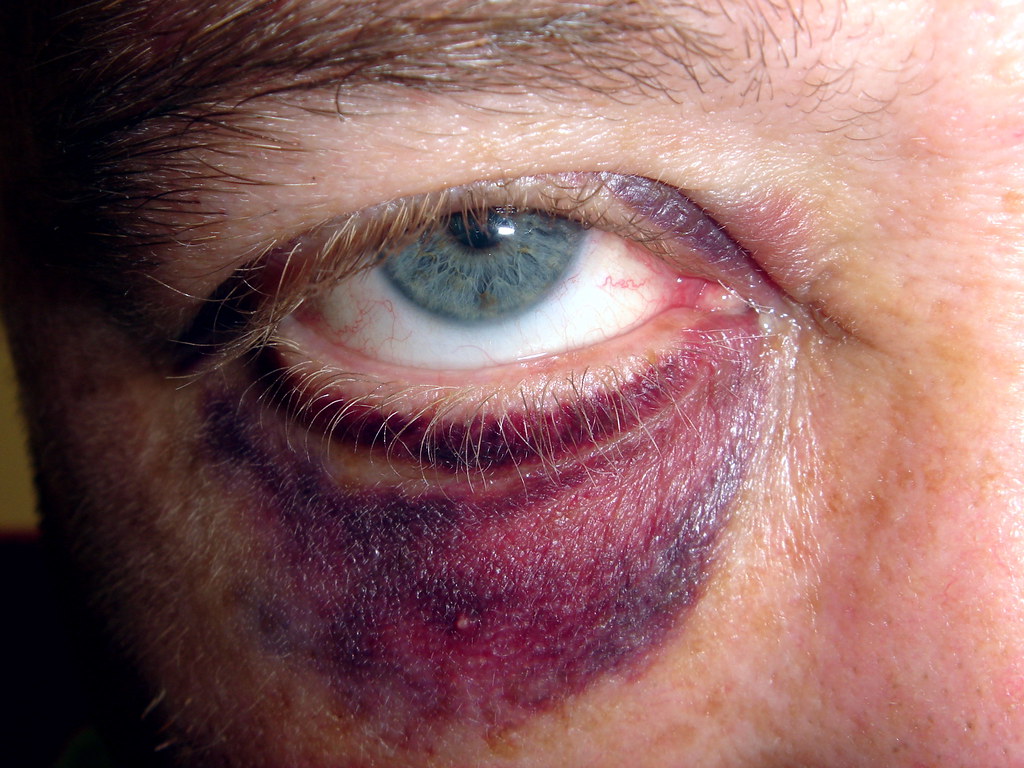
Reducing that bruise

I want to go for filler injections. My doctor told me one of the potential side effects is that I could have bruises under my eyes. I know this should be temporary but I'm very worried as I usually bruise quite badly and easily with minor fall. Is there any way to reduce the chance of me bruising?

From a simple needle prick to procedures like filler, or even major surgery, every procedure that manipulate your skin potentially causes bleeding and bruising.

Here's how you can do to reduce the chance or the severity of bleeding and bruises.
✅ Avoid aspirin, NSAIDS (a type of painkillers), vitamin C & E, fish oil a week before
✅ Stop alcohol and garlic 2 days before
✅ Avoid excessive exercise immediately before and 2 days after
✅ Avoid flight 1-2 days if possible (change of cabin pressure)
❓Pineapples contains bromelain and may help to reduce bruising

Thursday, 14 September 2017

Acne in mature skin


I am in my late 40's. And I still get acne. Why?

Contrary to popular belief, acne isn't just a problem of the teenagers. Young babies can get acne (known as infantile acne, often temporary). Most people do not get severe acne after menopause but yes, you may still get acne at a mature age.

The reason you get acne is probably not much of a difference to that of the teenagers. But there may be other things that you would want to consider if you have never had acne and suddenly suffering from severe breakout at this point of time.


  1. Did you recently change your skin care products? Some people changed their skin care products to those "designed for mature skin" which are usually more greasy and may block the pores.
  2.  Did you recently change your skin care routine? Did you just started on a face scrubs? Or tried a new facial treatment?
  3. Did you recently go travelling?
  4. A recent change of job?
  5. Could it be something else rather than a true acne? Some skin diseases may mimick acne, and these include acne rosacea, sebaceous hyperplasia, milia and bacteria folliculitis.


Consult a dermatologist if you are not sure.
Related Posts Plugin for WordPress, Blogger...

Telemedicine - The Yay and Nay

Telemedicine is not new. My very first telemedicine experience started in 2013 when I was still practising in government hospital. The servi...